




Pet obesity on the rise for eighth consecutive year
BREA, Calif., Jan. 2, 2019 /PRNewswire/ -- One of America's most common New Year's resolutions is to lose weight, and statistics show that pet owners should share that goal with their dogs and cats. Data from Nationwide, the nation's first and largest provider of pet health insurance, reveals that pet obesity is on the rise for the eighth straight year. Nearly 20 percent of Nationwide members' pet insurance claims in 2017 were for conditions and diseases related to pet obesity- equaling a sum of more than $69 million in veterinary expenses. The boost in total obesity-related claims signifies a 24 percent increase over the last eight years. As with people, excessive body fat in pets increases the risk of preventable health issues and may shorten the life expectancy of dogs and cats. Nationwide recently sorted through its database of more than 700,000 insured pets to determine the top 10 dog and cat conditions related to or made worse by obesity. Below are the results: Most Common Dog Obesity-Related Conditions Most Common Cat Obesity-Related Conditions 1. Arthritis 1. Bladder/Urinary Tract Disease 2. Bladder/Urinary Tract Disease 2. Chronic Kidney Disease 3. Liver Disease 3. Diabetes 4. Low Thyroid Hormone 4. Asthma 5. Torn Knee Ligaments 5. Liver Disease [...]


Helping stray cats: TNR is the key
Nearly three-quarters of cats who enter our nation’s animal shelters each year are killed. Most are free-roaming, stray or feral cats. Here at Best Friends, we refer to them as community cats. Although some of these cats are adoptable, many more are not. And for unadoptable cats, a trip to the shelter is often fatal. TNR saves cats’ lives Trap-neuter-return (TNR) entails trapping, neutering, vaccinating, and returning community cats to their original outdoor locations. It is not only the most humane method of preventing cats from entering the shelter system, it’s the most effective. TNR also ensures the cats’ health and welfare. Once these cats are sterilized and vaccinated, they can live healthy, happy lives in their communities, where caring residents look out for them. Sterilization and vaccination provide a public health benefit to the community, too, a vast improvement over the failed trap-and-kill approach that’s been used for generations. What is Best Friends doing to help? Best Friends sterilizes, vaccinates and releases tens of thousands of community cats each year, preventing many thousands of births. Support TNR and help reduce the number of community cats, and ultimately the number of cats being killed in America’s shelters. Find a program [...]

Neighborhood Cats
Neighborhood Cats WE ARE RECOGNIZED LEADERS "In my 16-plus years with the Humane Society of the United States, the nation's largest animal protection organization, I've gotten to know many wonderful people around the world caring for community cats - and the feral-cat rescue group Neighborhood Cats leads the way for street cats in New York City and around the world." Catster, November 20, 2014 "New York has had prominent neuter/return programs for feral cats for decades, and is home of Neighborhood Cats, one of the most influential organizations teaching neuter/return technique...." Animals 24-7, December 5, 2015 WE WORK HANDS-ON WITH THE CATS At Neighborhood Cats, all our knowledge comes directly from the cats themselves - we're out there every day trapping, helping caretakers, working with animal shelters, teaching workshops and launching new programs. We have people on the ground in New York City, New Jersey and on the island of Maui in Hawaii. The many thousands of cats we have personally assisted have taught us how best to help the cats and the people who care for them. WE INNOVATE Neighborhood Cats invented many of what are now common practices in the Trap-Neuter-Return field. Mass trapping - the TNR of entire colonies at once - was popularized [...]

Skipper Isabelle’s dog boating safety tips
Isabelle is a well-weathered skipper on a boat located along the shores of Lake Erie. The word "boat" sends her into a tail wagging and jumping frenzy and is clearly in her mind better than any treat at the moment. The increase of canines aboard boats nationwide and on longer journeys is on the rise. In fact some families find a stray or adopt while yachting. Canine safety and preparation are a must for the skipper and crew embarking on any yachting adventure on any type of boat. Catamarans, sailboats and power boats are a lifestyle that many canines enjoy with family and friends. Research shows 70% of Americans boat with their dogs. Most skippers agree that small dogs are easier to cruise with but accommodating medium to large dogs is certainly possible. Docking, dinghies and ladders present challenges, so have a plan. Just as emergency preparations should be in place for your pets at home, they are also critical when boating. Bring along extra provisions like water, food, sunscreen, first aid kit and personal flotation devices for not just the two-legged but four as well. Isabelle proudly wears her personal flotation device and also has foul weather gear in [...]

Taking care of your pet’s dental health
"Dental health is a very important part of your pet’s overall health, and dental problems can cause, or be caused by, other health problems," states the American Veterinary Medical Association. "Your pet’s teeth and gums should be checked at least once a year by your veterinarian to check for early signs of a problem and to keep your pet’s mouth healthy." Just like humans, pets are prone to broken teeth, infections, abscesses and periodontal disease. Some pets are born with bad teeth and may require quick surgery to remove puppy teeth that did not fall out on their own. A routine dental appointment at a veterinary clinic will include blood work to ensure your pet is able to handle anesthesia, oral X-rays if needed, tooth scaling and scraping to remove plaque and any tarter buildup, and finish with a polish. The procedure takes less then an hour unless multiple teeth need to be extracted. Your veterinarian will then work with you on how to best maintain your pet's dental health with proper brushing, the best oral hygiene products, pet food, treats and toys to use to help maintain a better overall outcome. Lack of dental care in a pet can [...]

4th of July!
More pets get lost on the 4th of July then any other day of the year. Protect your pets by insuring they have current identification on proper fitting collars. If your pet requires medication contact your animal clinic now. Do not take pets to firework displays and/or leave them in hot cars at events.

http://ohiopetexpert.com
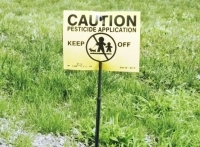
Have you really ever investigated what it says on those little flags that are put on residents' lawns after chemical applications? Or questioned the lingering smell or residue after bug spray inside your home? The consequences of traps and deadly bait? How long should those flags be displayed? Just what does the real warning to "stay off" mean to people, pets and our environment? Were you crazed by the ants you found in the house and just started spraying or signed up for a service without digging deep into the potential chemical consequences? Exposure to lawn chemicals can occur from the winds blowing it around. We even bring those chemicals in our homes because they are on our clothing. You do not have to have a pet to get fleas. You can bring them in on your tennis shoes! Animals not only breathe in the chemicals, they can also absorb them through their pads and skin. Some dogs like to lick and eat grass. Unfortunately they can't read the warning sign. Nor can they comprehend the deadly consequences of herbicides and fertilizers. To protect your pets, children and yourself, have a clear understanding of the toxicity of dry and wet [...]